HTML Games: How Browser Gaming Redefined Free Play
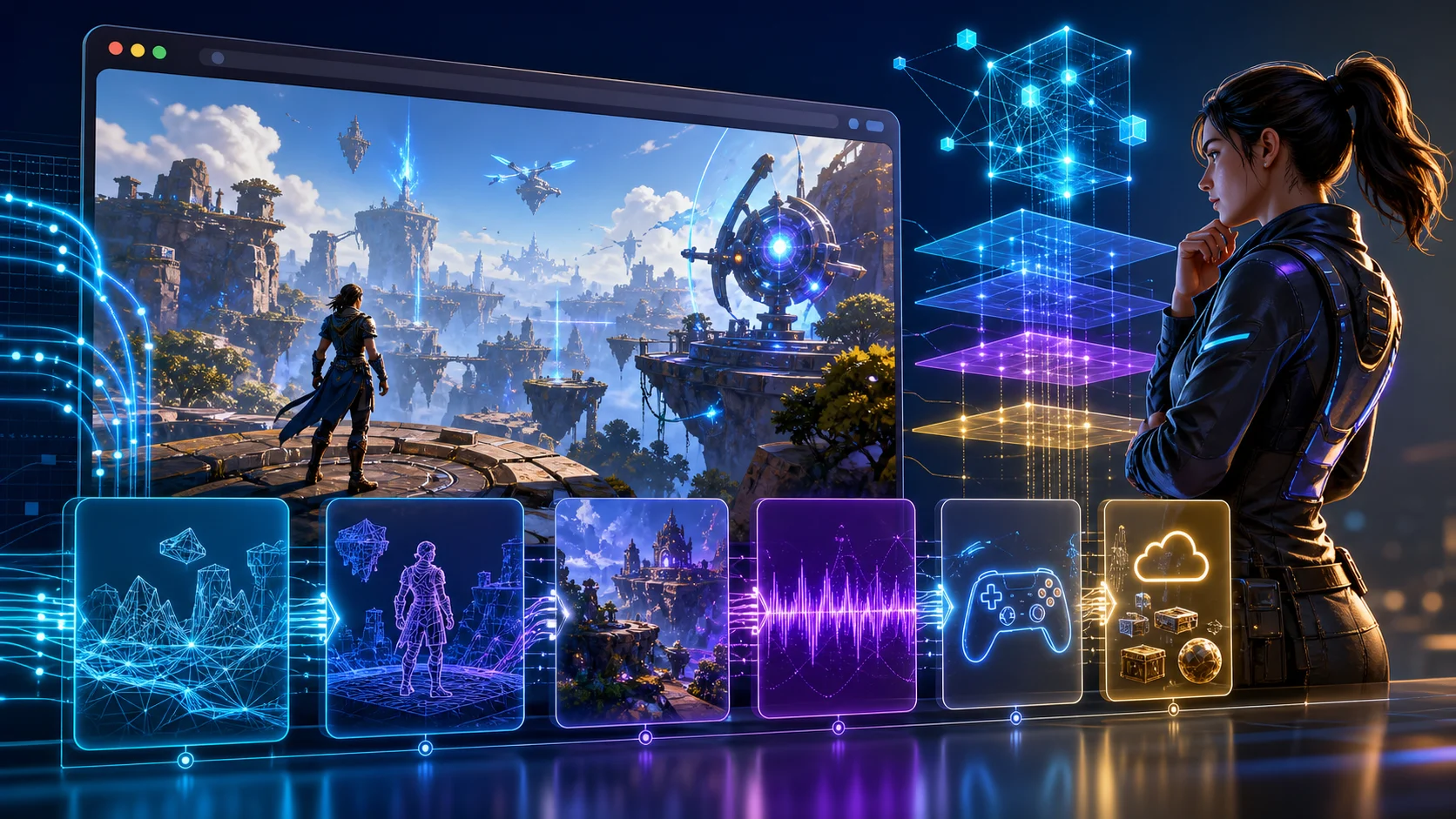
Getting into a new video game used to mean waiting through long installation bars, clearing out storage space on a hard drive, and managing desktop launchers. That friction disappears the moment a game runs directly inside a standard web browser. Over the past decade, HTML Games have fundamentally reshaped how people access quick, engaging entertainment. Instead of treating the browser as a simple tool for reading articles or watching videos, millions of players now open a quick tab to solve a daily puzzle or jump into a fast-paced multiplayer match.
How Web Browsers Saved Gaming After Flash Died
For years, Adobe Flash basically ran the internet's weird side. Sites like Newgrounds or Miniclip blew up because Flash made it totally simple to share animations and quirky browser games. But it was also a buggy mess that drained laptop batteries and constantly nagged you to update plugins. When Adobe ended Flash Player support at the end of 2020, plenty of people figured browser games were gone forever.
That did not happen, because open web standards took over much of Flash's role. Open tech like HTML5 and WebGL quietly stepped in and made things way better. Browsers can handle complex graphics on their own now without asking you to install random software or tweak security settings. A well-designed game can run across phones, laptops, and desktop computers without plug-ins, although performance still depends on the hardware, connection, and game.
Cutting Out Big Installs Built Web Gaming
Nobody wants to spend an hour managing hard drive space just to try a game. Console titles make you download massive day-one patches and create accounts before you can even hit start. Web games reduce much of that setup. A friend drops a link, you click it, and the menu pops up right away.
Removing those annoying hurdles brings in people who would never touch a dedicated gaming setup. You see office workers taking quick five-minute breaks, students playing on school Chromebooks, or people squeezing in a round while riding the bus. Look at why Wordle took over the internet. It worked because anyone could open a tab and play immediately without setting up an account or downloading a thing.
How Modern Web Browsers Handle Complex Graphics
Early web games were limited to rudimentary 2D sprite grids, basic text choices, or slow turn-based card mechanics due to browser processing limits. That ceiling rose with the widespread adoption of WebGL and growing support for WebGPU. These graphics APIs provide controlled, hardware-accelerated access to graphics processing, unlocking real-time 3D rendering, complex lighting effects, and smooth particle physics that were previously impossible without dedicated game clients.
Because browsers handle graphics rendering so efficiently today, players can experience complex HTML Games right in their web tabs, including detailed 3D arenas and fast-paced action titles. Frameworks like Three.js and Babylon.js help creators build visually striking environments that can be delivered through the web, with load time depending on asset size and caching. The technical gap between desktop applications and browser pages continues to shrink, proving that light, browser-native architecture can deliver impressive visual fidelity.
Building Quick Web Games Without Studio Budgets
Big studios rarely take risks. When a project costs tens of millions, failing isn't an option, so they stick to predictable sequels. Solo developers do not have to play by those rules. A small team can use a free engine to build and publish a playable prototype without a storefront approval cycle.
Posting a rough build on itch.io gets instant eyes on your work. Drop the link around online, read what real people think that same night, and figure out your next move. A bad idea dies quietly in two days instead of wasting two years of your life. But when a weird concept actually lands, that tiny browser demo can become the starting point for a larger release.
- Two late nights at a desk can turn a rough idea into something people can actually play.
- Feedback comes in real time.
- 48-hour coding jams force developers to try wild mechanics they would usually avoid.
- Shelving a failed test on Monday morning beats wasting three years of work.
Modern Game AI and Automation Behind Browser Titles
Creating massive game worlds used to demand huge teams of artists and coders. Today, solo developers rely on Game AI tools to handle a lot of that heavy lifting while developing an indie game. Procedural tools can generate layouts, while code assistants can suggest fixes that still require review and testing.
Inside the game itself, developers can use behavior systems to make opponents less predictable. Hide behind cover and a computer opponent won't just march straight into your crosshairs like a robot. It might circle around your back, hold its ground, or flush you out. Some games also use adaptive difficulty, adjusting selected values after repeated failures when the designer chooses to support that behavior.
- Maps reshuffle every time you hit restart.
- Camp in one spot for too long and opponents will rush your corner.
- Bosses hit a little softer when you wipe five times in a row.
- Solo developers can prototype character art more quickly, then refine or replace it for production.
The Math Behind Keeping Web Games Free Without an Upfront Price
Nobody drops seventy bucks on a game they only play while waiting for water to boil. Web developers get this, so they scrap upfront prices. They put a quiet banner ad on the side or offer a cosmetic item if someone chooses to watch a short clip. Fans occasionally drop a dollar or two into a tip jar.
Small static games can have modest hosting costs, while multiplayer services, databases, and heavy traffic can make a project considerably more expensive. Lower distribution costs still make free or donation-supported releases more practical for small developers. Developers can just focus on making a fun game and hanging out with their players, without ever bugging anyone for a credit card.
The Future of Playing Right in Your Browser
Browser technology keeps narrowing the performance gap with traditional consoles, making the line between web pages and full software downloads nearly invisible. When a game is designed for cross-platform play, a smartphone user and a desktop player can join the same multiplayer session. Neither person has to sign up for a unified platform account or wait for a massive client download, which keeps online gaming fast, simple, and painless.
Skip the corporate review queue entirely. A simple URL lets developers post an early build and collect real player feedback five minutes later. Fixes can be deployed centrally, and players receive the new version on their next reload when caches and versioned assets are handled correctly. When developers control their own hosting, they do not need storefront approval to change their work.